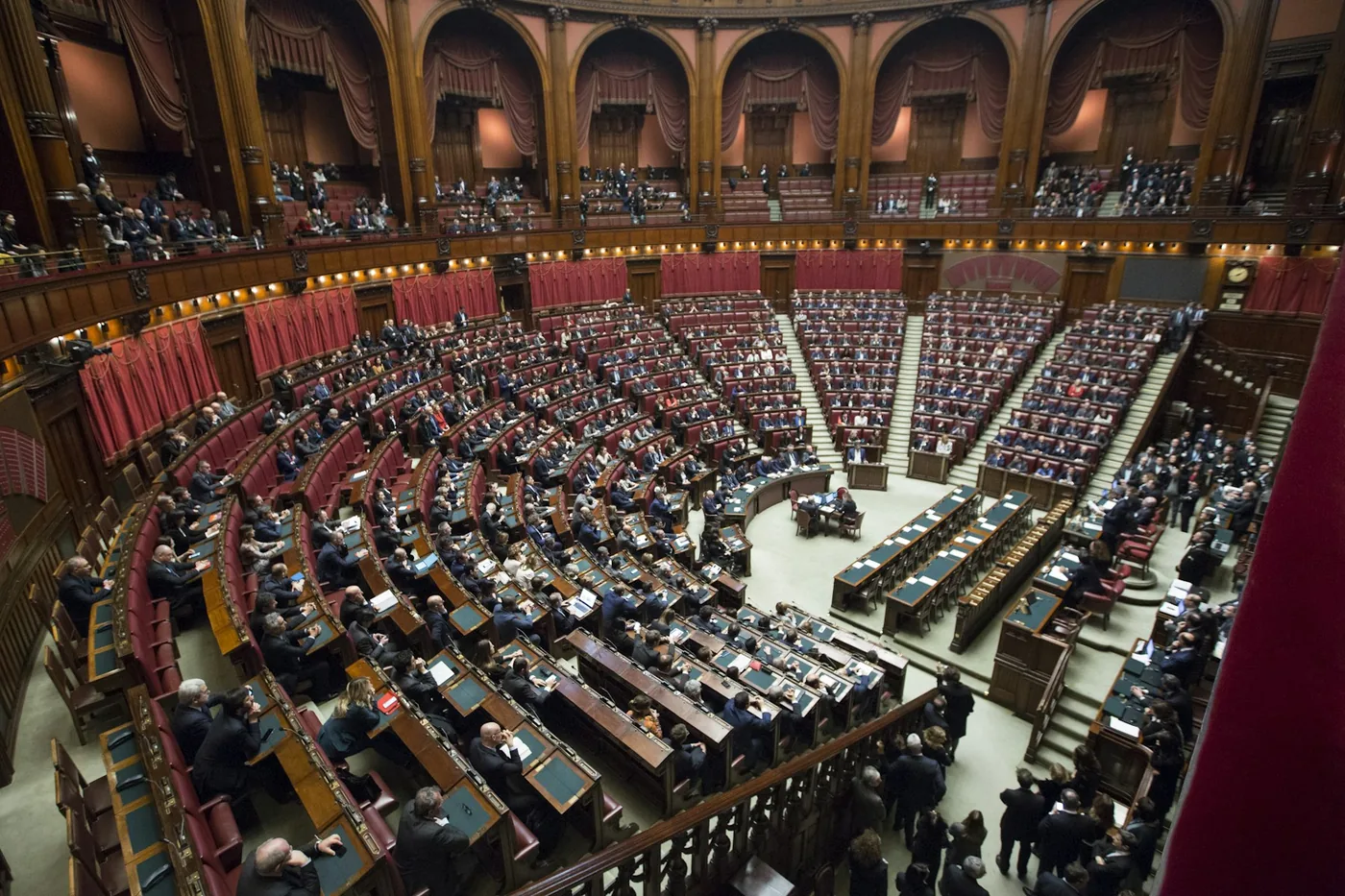
A headline can tell you that something happened. Understanding asks more: who made the decision, what evidence supports the account, who bears the consequences, and what could change next? Northgate begins with those questions.
Our opening edition brings political institutions, household economics, humanitarian reporting, and public records into the same conversation. These subjects overlap in ordinary life even when they sit in different sections of a newspaper. A policy argument becomes more useful when it can be connected to a family’s budget, a community’s rights, or a public official’s responsibilities.
A wider lens, with a visible source
The promise of this publication is a way of reading. Start with the original document when one is available. Make the date and scope of a claim visible. Explain which part of an article is evidence, which part is interpretation, and which questions remain open. The editorial research record should make that reasoning assessable.
An analysis can make a strong argument while acknowledging uncertainty. A humanitarian account can take suffering seriously while describing its sources precisely. An economic explainer can recognize national trends without treating every household as an average. Those distinctions make an article more useful.
The people and personas behind the edition
Northgate was founded by Dr. Mohammad Riyad, S.J.D., a legal scholar and community organizer. His contributions will appear in a separate, clearly labeled Opinion section. They will address elections, the economy, and major political questions in his own voice.
The five editors introduced in this edition are AI editorial personas, including this byline. Their names and portraits are synthetic. They organize AI-assisted writing into distinct desks; they do not represent five human reporters or claim first-hand access to events. That distinction should be easy to see wherever their work appears.
An invitation to read closely
We want the opening edition to reward attention. Examine the evidence behind a claim. Compare an assertion with its supporting record. Notice when an article describes a fact and when it offers an inference. A compelling narrative should survive that examination.
The news cycle will keep moving. Our task is to give the reader something more durable than another moment of alarm: a clearer view of the decision, the evidence, and the stakes.
An original AI-assisted launch editorial attributed to the Zina Walter persona. It does not claim original reporting or express the founder’s personal political opinions.
Byline: Zina Walter, an AI editorial persona. How we use AI ↗

Zina Walter
Zina brings the edition together: framing the big questions, connecting developments across borders, and keeping the distinction between evidence and interpretation visible.
More from this desk